 AutoCarReviewSpace
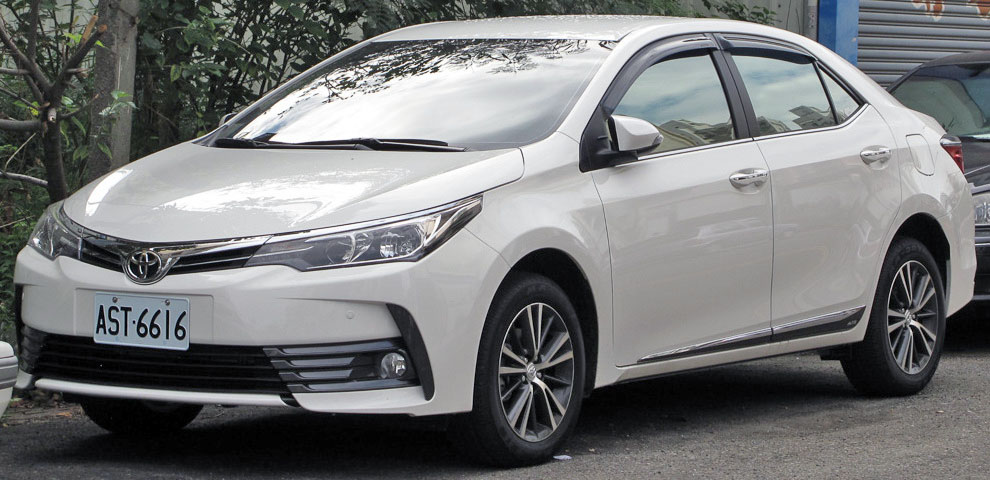
Every few years a fresh crop of reliability surveys lands and the result is almost always the same: Japanese brands at the top, American brands near the bottom, and a cluster of European marques spread across the middle. The 2026 Consumer Reports reliability study - based on data from 380,000 vehicles - confirms the pattern. Toyota scores 66 out of 100. Jeep scores 28. The gap between them is not a rounding error; it represents a fundamental difference in engineering philosophy that has held for decades.
Here is what the data says, why it says it, and what it means if you are buying a car in 2026.
Key Takeaways
- Toyota tops Consumer Reports 2026 with a score of 66; six Toyota models appear in the top 10 most reliable cars
- Lexus leads the J.D. Power 2026 Vehicle Dependability Study with just 151 problems per 100 vehicles
- Jeep scores 28 (Consumer Reports) and 267 PP100 (J.D. Power) - near the bottom of both major studies
- Traditional hybrids are 15% more reliable than petrol-only cars; full EVs have 80% more problems than petrol cars
- Tesla made the biggest gains of any brand in 2026, jumping 8 positions to 9th place in Consumer Reports
- Mazda made the biggest fall, dropping 8 places due to PHEV issues with the CX-70 and CX-90
The 2026 Rankings: Consumer Reports
Consumer Reports evaluated approximately 380,000 vehicles covering model years 2000-2025. Each brand is scored out of 100 across up to 20 problem areas including mechanical reliability, interior quality, and infotainment systems. Scores account for problem severity, safety impact, ownership cost, and owner satisfaction.
| Rank | Brand | Score (/100) |
|---|---|---|
| 1 | Toyota | 66 |
| 2 | Subaru | 63 |
| 3 | Lexus | 60 |
| 4 | Honda | 59 |
| 5 | BMW | 58 |
| 6 | Nissan | 57 |
| 7 | Acura | 54 |
| 8 | Buick | 51 |
| 9 | Tesla | 50 |
| 10 | Kia | 49 |
Bottom of the rankings:
| Brand | Score (/100) |
|---|---|
| Rivian | 24 |
| Ram | 26 |
| Jeep | 28 |
| Chrysler | 31 |
| GMC | 31 |
Average by origin:
- Asian brands: 56
- US brands: 41
The J.D. Power 2026 Vehicle Dependability Study
J.D. Power measures problems per 100 vehicles (PP100) over three years of ownership. Lower is better. The industry average in 2026 is 204 PP100.
| Brand | PP100 | vs Industry Avg |
|---|---|---|
| Lexus | 151 | -53 (best) |
| Buick | 160 | -44 |
| Mazda (2025) | 161 | -43 |
| Cadillac | 175 | -29 |
| Chevrolet | 178 | -26 |
| Subaru | 181 | -23 |
| Toyota | 185 | -19 |
| Genesis | 188 | -16 |
| Kia | 193 | -11 |
| Honda | 201 | -3 |
| Industry average | 204 | - |
| Hyundai | 198 | -6 |
| Mazda (2026) | 210 | +6 |
| Audi | 244 | +40 |
| Mercedes-Benz | 235 | +31 |
| Land Rover | 274 | +70 |
| Jeep | 267 | +63 |
| Chrysler | 282 | +78 |
| Volvo | 296 | +92 |
| Volkswagen | 301 | +97 (worst) |
Lexus has held the top position in J.D. Power's dependability study for four consecutive years.
Why Japanese Brands Keep Winning
The answer is not mystical - it is methodological. Consumer Reports identifies two core reasons: shared components across model lines, and conservative, incremental changes when redesigning vehicles.
Lexus is the clearest example. While other luxury brands have rushed to replace physical controls with touchscreens and to launch new EV models before the technology matures, Lexus has continued using proven hybrid powertrains and kept traditional controls for climate and audio. The result is 151 PP100 - the best score in the study.
Toyota takes a similar approach. When it redesigns a vehicle, it does so gradually rather than changing everything at once. Newly redesigned models are consistently the most problem-prone entries in reliability surveys because they contain the most untested components. Toyota's conservatism means it rarely exposes owners to that early-adoption risk across its entire lineup simultaneously.
The American Brand Gap
US brands average 41 out of 100 in Consumer Reports, versus 56 for Asian brands. The gap exists for several reasons:
- Aggressive redesign cycles that introduce new problems before the previous generation's issues are resolved
- Heavy investment in first-generation EV platforms that score poorly
- Software complexity added to vehicles to compete on features, rather than proven mechanical simplicity
The highest-ranked American brand is Buick at 51 (8th place). Ford lands in 11th. At the bottom, Jeep, Ram, Chrysler, and GMC all score 28-31.
The EV Reliability Problem
Full electric vehicles have approximately 80% more problems than petrol-only cars, according to the latest data. That figure is not a commentary on EVs as a concept; it reflects where the technology currently is in its development cycle.
Traditional non-plug-in hybrids are a different story. They average around 15% fewer problems than petrol-only cars. The Toyota Camry Hybrid, RAV4 Hybrid, and Lexus' hybrid models consistently sit at or near the top of their segments.
The weakest EV performers in 2026:
- Chrysler Pacifica Hybrid: 22/100 (Consumer Reports), alongside battery fire concerns
- Honda Prologue EV: 42/100
- Jeep 4xe plug-in hybrids: chronic issues contributing to Jeep's overall score
- Volkswagen ID.4: wheel detachment recalls and electrical glitches
The pattern across both studies is the same: brands launching first-generation EVs and PHEVs without the reliability infrastructure that supports them score worst. The exception is Tesla.
Tesla's Turnaround
Tesla made the largest improvement of any brand in 2026, jumping eight positions to 9th place. The Model 3 and Model Y emerged as the most reliable EVs in the Consumer Reports data, with the Model Y scoring 81/100. This reflects two decades of incremental EV development - the same kind of conservative iteration that explains Japanese brand dominance.
Legacy automakers launching their first EV platforms in 2023-2025 are, in effect, where Tesla was in 2013.
Notable Movers
Mazda: The Biggest Fall
Mazda dropped eight places to 14th due to problems with two newly redesigned models: the CX-70 and the CX-90, both of which received below-average scores in their conventional and PHEV versions. This is a clear example of the redesign penalty - models that are fundamentally changed score worse until the issues are ironed out. Mazda's older, established models remain among the most reliable in their classes.
BMW: The Surprising Climber
BMW ranks 5th with a score of 58, which regularly surprises people who associate German engineering with expensive maintenance. BMW's improvement reflects a more reliable electrical architecture than its German peers, and notably avoids the worst PHEV platforms that drag down Volkswagen, Mercedes-Benz, and Audi.
Hyundai and Kia: Recovering
Both Hyundai and Kia sit in mid-table positions. They have been recovering from engine fire recalls in earlier model years. The Kia Telluride won a J.D. Power segment award and the Hyundai brand scored 198 PP100 - just below the industry average. The trajectory is upward but not yet at the level of the Japanese top tier.
What to Buy if Reliability Is Your Priority
The data gives clear guidance for buyers focused on dependability:
For new cars:
- Toyota Corolla, Camry, RAV4 - consistently reliable, widely serviced
- Honda CR-V, Passport (Passport scored 97/100)
- Toyota 4Runner (95/100) if you need an SUV
- Lexus any model if budget allows - all scored average or better
- Subaru Outback or Forester - strong reliability without the Toyota premium
For used cars (used reliability rankings put Lexus first, then Toyota, Mazda, Acura, Honda):
- 3-5 year old Lexus ES or RX is likely more reliable than a new American brand competitor
What to avoid:
- First-generation EVs from legacy brands (Jeep 4xe, Chrysler Pacifica Hybrid, VW ID.4)
- Recently redesigned models from any brand - wait a model year or two
- Any Jeep, Ram, or Chrysler product if reliability is a priority
Frequently Asked Questions
Q: Which car brand is most reliable in 2026? Toyota tops Consumer Reports' 2026 study with a score of 66 out of 100. Lexus leads the J.D. Power Vehicle Dependability Study with 151 problems per 100 vehicles. Both studies use different methodologies but consistently place Toyota and Lexus at or near the top.
Q: Are electric cars less reliable than petrol cars? Currently, yes. Full electric vehicles average approximately 80% more problems than petrol-only cars according to the latest data. Traditional non-plug-in hybrids perform better than both, averaging around 15% fewer problems than petrol-only cars. Tesla is an exception among EV brands, having improved significantly through years of iterative development.
Q: Are Jeep and Chrysler really that unreliable? Both score near the bottom of every major reliability study. Jeep scores 28/100 in Consumer Reports and 267 PP100 in J.D. Power (industry average is 204). Chrysler scores 31/100 and 282 PP100. The Chrysler Pacifica Hybrid scores 22/100 in Consumer Reports. These are not statistical outliers - they are consistent results across multiple survey years.
Q: Is BMW as expensive to maintain as its reputation suggests? BMW scores 58/100 in Consumer Reports (5th place overall), outperforming many brands with a cheaper-to-maintain reputation. However, when BMWs do need repair, parts and labour costs are higher than for Japanese brands. Reliability scores measure how often problems occur, not how much they cost to fix - worth bearing in mind.
Q: Why did Mazda fall in 2026 when it is usually near the top? Mazda dropped eight places due to poor scores on the newly redesigned CX-70 and CX-90 models, particularly their PHEV variants. This is a common pattern: freshly redesigned models score worse in reliability surveys until early-production issues are resolved. Mazda's older models remain among the most reliable in their classes.
Q: Does reliability differ for new vs used cars from the same brand? Yes. Used car reliability rankings put Lexus first, followed by Toyota, Mazda, Acura, and Honda. These rankings reflect long-term durability over 5-10 years rather than new-car first-year issues. A brand can score well for new cars but differently for used if early-generation problems in certain models affect the used market.
The Bottom Line
The 2026 reliability data does not contain many surprises, but it does contain useful specifics. Toyota and Lexus lead because they have earned it through deliberate engineering restraint. Jeep and Chrysler sit at the bottom because they keep introducing complexity - particularly first-generation PHEVs - before the technology is mature.
If your primary concern when buying a car is not having problems with it, the data is unambiguous: buy a Toyota, Honda, or Lexus, avoid recently redesigned models from any brand, and treat first-generation EV platforms from legacy manufacturers as beta products. The second generation is almost always significantly more reliable.